Wash Color Clothes In Hot Or Cold Water / How To Wash Tie Dye Purewow : To help keep dyes from bleeding, select detergent without boosters or bleach alternatives, use the shortest wash cycle possible and opt for cold water.. Wash the clothes in cold water. Proper washing and drying will leave your dark clothes fresh and clean. Warm water is usually the best choice for permanent press materials and jeans. When to use hot water. It is estimated that about 75 to 90 percent of the energy your washing machine uses is for heating water.
Opt for cold water first if the label is missing or unclear, wash soiled clothes, particularly colored clothes, with cold water. Run a hot water cycle every now and then to remove detergent residue and mould. And the benefits of cold water washing go beyond cost and energy savings. Cold water will clean dirty clothes just fine, but it won't sanitize them. Warm water is actually exactly what it sounds like, a mix of hot and cold.
How To Wash Black White Or Colored Clothes Whirlpool from www.whirlpool.com When to wash with hot water? Colored clothing should be washed many times before washing with white clothes. Most of your clothes can be washed in warm water. The next step to keep colors from fading will be to choose the cold wash option i.e. Run a hot water cycle every now and then to remove detergent residue and mould. Hot washing can strip clothes of colour and cause fading; The machine will be forced for tough wash as there will be a load of clothes and cause color fading. Almost all your clothes can be washed with warm water unless the label says otherwise.
Colored clothing should be washed many times before washing with white clothes.
You can attempt to wash your whites and colored clothes in your washer in cold water at the same time, if the colored clothes are old and the dye that colors them is faded. Colored clothing should be washed many times before washing with white clothes. So, a good rule of thumb is when in doubt, use warm water. Once the water temperature reaches above 75 degrees, detergents become less effective, and the heat can actually help stains set into the clothing. According to energy star, washing your clothes with cold water each time could save you up to $66 per year in heating costs. 3) how to wash colored clothes Hotter water can also damage some fabrics and colors. Warm water is actually exactly what it sounds like, a mix of hot and cold. You should always hang dry dark clothes. It is estimated that about 75 to 90 percent of the energy your washing machine uses is for heating water. Hot water can cause colors to fade, and. The machine will be forced for tough wash as there will be a load of clothes and cause color fading. Hot water washing is particularly useful in the following cases:
To help keep dyes from bleeding, select detergent without boosters or bleach alternatives, use the shortest wash cycle possible and opt for cold water. You can attempt to wash your whites and colored clothes in your washer in cold water at the same time, if the colored clothes are old and the dye that colors them is faded. Colored clothing should be washed many times before washing with white clothes. According to energy star, washing your clothes with cold water each time could save you up to $66 per year in heating costs. What's more, hot water tends to shrink, fade, and crease certain fabrics, whereas washing in cold water means clothes are less likely to fade or shrink.
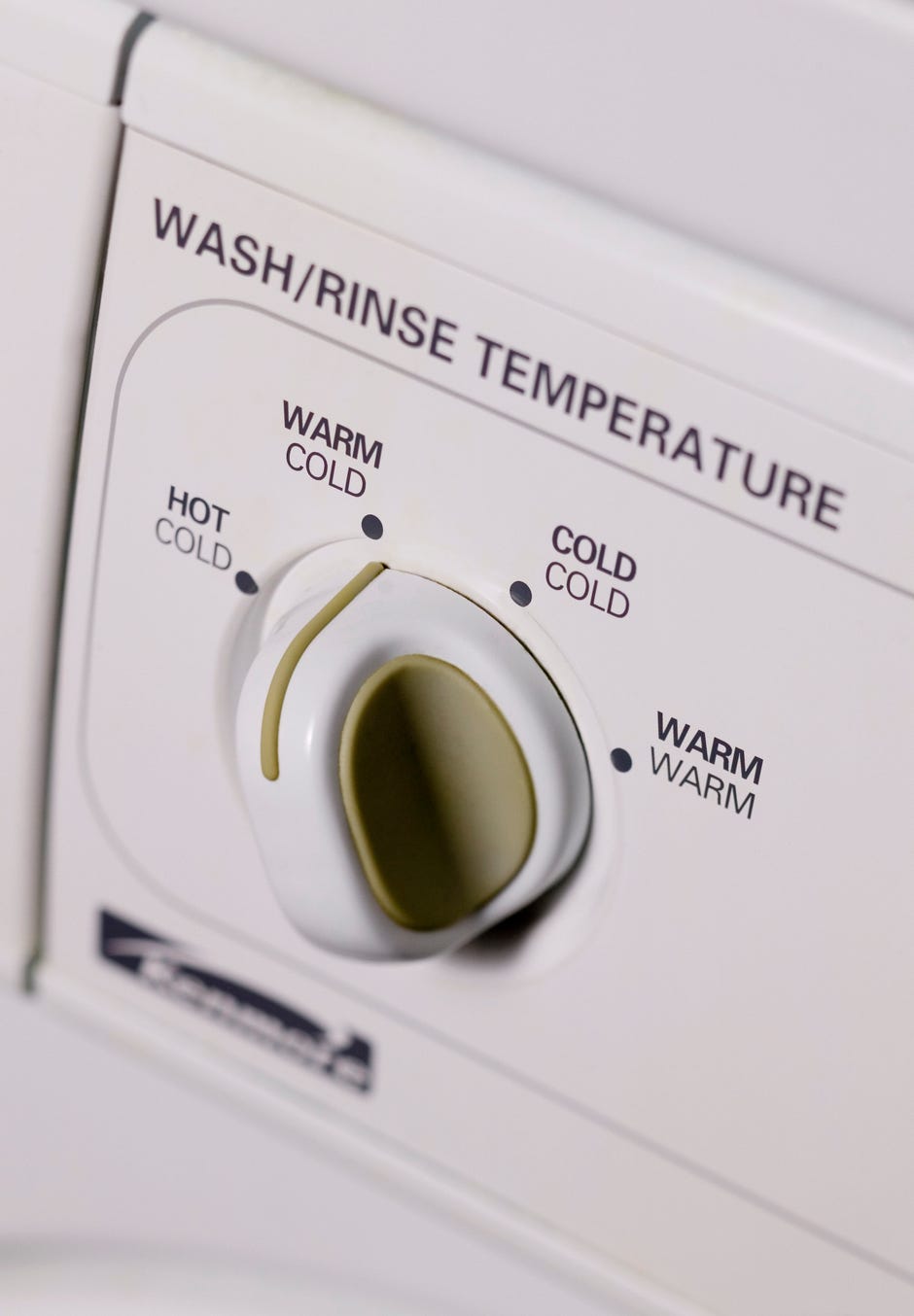
Here S What All The Settings On Your Old Washing Machine Really Mean Cnet from www.cnet.com Do not stuff the machine with clothes. For items with those specific stains you'll want to wash at least once in a cold cycle first before attempting any sort of warm or hot wash. Once the water temperature reaches above 75 degrees, detergents become less effective, and the heat can actually help stains set into the clothing. Sometimes, though, warm or hot water works better based on the fabric or the need. Most australian homes use cold water to wash their clothes; Well, this logic does not translate to spot treatment. It offers good cleaning without significant fading or shrinking. Cold water can also reduce wrinkles, which saves energy costs (and time) associated with ironing.
One that uses cold water, to stop the clothes losing their color.
The best place to start when you're debating between washing laundry in hot or cold water is to read the label. Colored clothing should be washed many times before washing with white clothes. Second, cold water can make your clothes last longer. One that uses cold water, to stop the clothes losing their color. Cold water is much less damaging to clothing fibers; It is estimated that about 75 to 90 percent of the energy your washing machine uses is for heating water. Using the cold water setting will cause the least damage to fabrics like shrinking, fading or color bleeding. When to use hot water. Why, then, are we still turning up the heat? What's more, hot water tends to shrink, fade, and crease certain fabrics, whereas washing in cold water means clothes are less likely to fade or shrink. Most of your clothes can be washed in warm water. Run a hot water cycle every now and then to remove detergent residue and mould. Opt for cold water first if the label is missing or unclear, wash soiled clothes, particularly colored clothes, with cold water.
You should always hang dry dark clothes. Warm water is actually exactly what it sounds like, a mix of hot and cold. To start, organize your clothing according to color and fabric type. For chocolate stains, soak in cold water first to cut the grease, then rub with detergent and wash in hot water. Do not stuff the machine with clothes.
How To Do Laundry Smarter Living Guides The New York Times from static01.nyt.com You can attempt to wash your whites and colored clothes in your washer in cold water at the same time, if the colored clothes are old and the dye that colors them is faded. Next, remove the rubber bands from your fabric and run it under hot water for about 5 minutes. The best place to start when you're debating between washing laundry in hot or cold water is to read the label. Cold water is much less damaging to clothing fibers; One that uses cold water, to stop the clothes losing their color. Thus, by washing clothes in cold water, colors last longer and clothes retain. Opt for cold water first if the label is missing or unclear, wash soiled clothes, particularly colored clothes, with cold water. If members of the family are sick, it's better to use a 'hygiene wash' setting on your machine with warm water.
Washing in cold water can help slow fading of colors and shrinking in fabrics.
Hot washing can strip clothes of colour and cause fading; Sometimes, though, warm or hot water works better based on the fabric or the need. According to energy star, washing your clothes with cold water each time could save you up to $66 per year in heating costs. Cold water will reduce clothes fading in colour. It offers good cleaning without significant fading or shrinking. 3) how to wash colored clothes Next, remove the rubber bands from your fabric and run it under hot water for about 5 minutes. What's more, hot water tends to shrink, fade, and crease certain fabrics, whereas washing in cold water means clothes are less likely to fade or shrink. If you are not satisfied with the stain removal results, you can then move on to warm or hot water. Using the cold water setting will cause the least damage to fabrics like shrinking, fading or color bleeding. It is estimated that about 75 to 90 percent of the energy your washing machine uses is for heating water. Wash the clothes in cold water. To help keep dyes from bleeding, select detergent without boosters or bleach alternatives, use the shortest wash cycle possible and opt for cold water.